
For visitors arriving in Santa Clara, Levi’s Stadium feels inevitable—modern, massive, and perfect for global sports and entertainment. But the truth is far more interesting. The stadium you’re walking into represents nearly three decades of persistence, false starts, and a few moments where success felt very far away.
This is the story behind how Santa Clara became one of the Bay Area’s most important entertainment destinations—and why it almost didn’t happen at all.
The First Lesson: Big Sports dreams barely start with Success
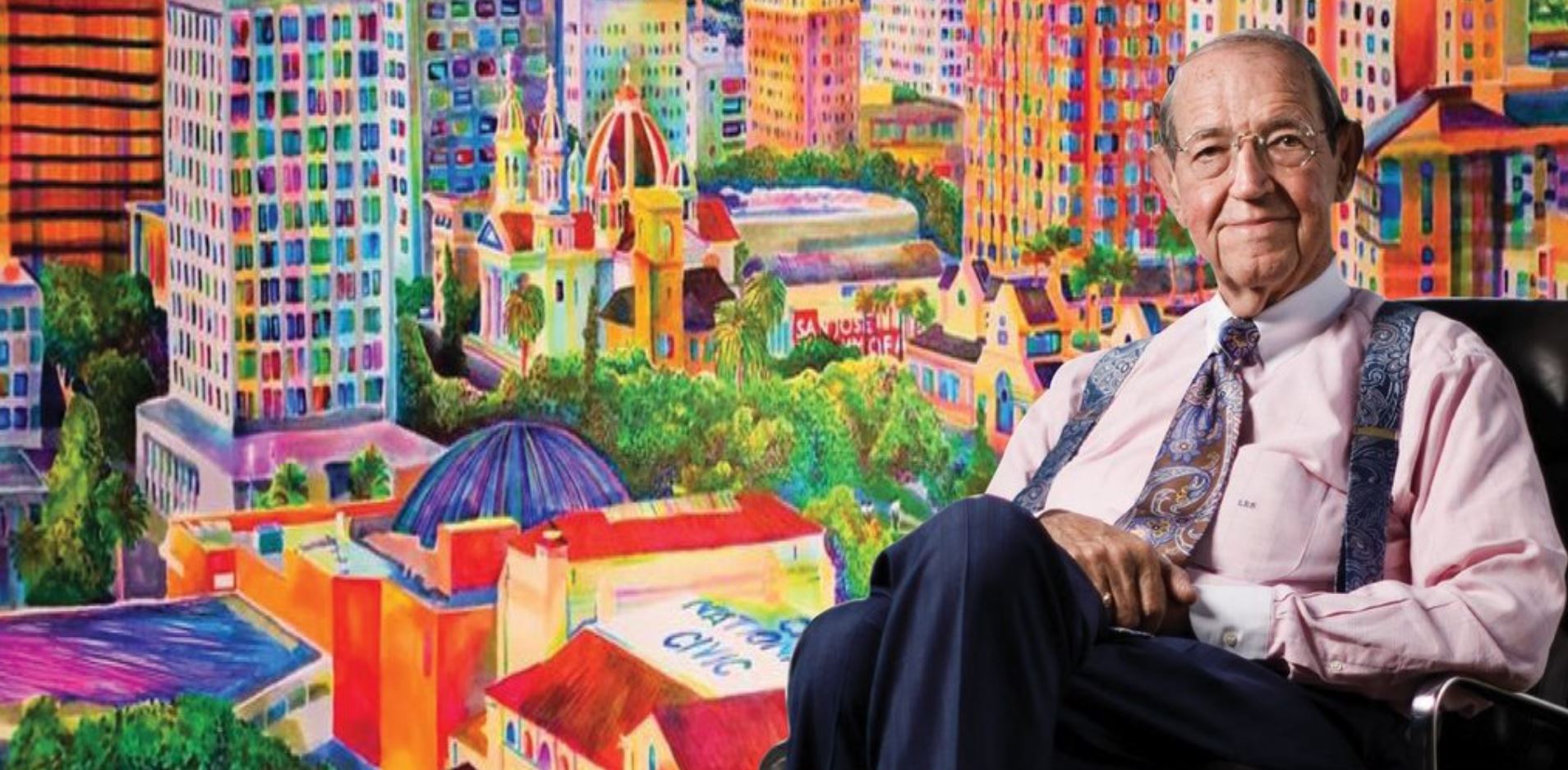
Long before Levi’s Stadium existed, local civic leader Larry Stone was already learning how hard it was to land a major professional sports venue. In the late 1980s, while serving as mayor of Sunnyvale, Stone was appointed to a committee tasked with keeping the San Francisco Giants from leaving the Bay Area. The effort failed—but it left a lasting impression.

“That was my introduction to how complicated these projects really are. A stadium isn’t just about a team. It’s about politics, geography, and timing.”
It was the first of several attempts that wouldn’t quite work—but each one added experience.
A rare regional effort nearly changed everything
A few years later, Stone was asked to help explore bringing Major League Baseball to Santa Clara County. He was skeptical—until a single meeting changed his mind. Developers, civic leaders, and community voices packed the room, energized by the idea that Silicon Valley could support a major league ballpark.
That momentum led to an ambitious plan: a joint effort between five cities—San Jose, Santa Clara, Sunnyvale, Mountain View, and Milpitas—to fund a stadium through a shared ballot measure. It came surprisingly close. In San Jose, voters even approved taxing themselves to support the project. But regional differences ultimately prevented the measure from passing.
“It was disappointing. But it showed just how much people cared.”
This is the story behind how Santa Clara became one of the Bay Area’s most important entertainment destinations—and why it almost didn’t happen at all.
Why even strong ideas sometimes stall
The near-miss wasn’t the last attempt. Years later, Stone became involved in discussions about relocating the Oakland A’s. Once again, the idea made sense on paper. Once again, it ended quickly—this time due to Major League Baseball’s territorial rules.
“The meeting with the commissioner lasted about a minute. ‘The Giants have territorial rights. End of discussion.'”
For most people, that would have been the end of the road. For Stone, it was preparation.
The 49ers sought a new home
By the mid-2000s, the San Francisco 49ers were searching for a modern stadium to replace Candlestick Park. Team executives reached out to Stone for help identifying potential sites across the region. Together, they evaluated locations based on transportation access, available land, long-term growth potential, and community readiness.
One city began to stand out.
Why Santa Clara?
Santa Clara offered something previous efforts lacked: alignment. City leaders weren’t interested in changing the team’s identity or claiming the spotlight. Their focus was partnership—creating a home that worked for the team, the region, and future visitors.
That clarity removed long-standing friction and allowed the project to finally take shape. Today, Levi’s Stadium is far more than a football venue. It hosts NFL games, international soccer matches, major concerts, college championships, and global events that bring visitors from around the world to Santa Clara. For fans, the experience feels seamless. For the city, it represents decades of persistence finally paying off.
“You can fail three times and still make the fourth one work. That’s what progress looks like.” — Larry Stone
The Legacy Visitors are now part of
If you’re here for a game, a concert, or a once-in-a-lifetime event, you’re enjoying the result of countless meetings, bold ideas, and people willing to try again when it would have been easier to stop. Santa Clara’s entertainment legacy wasn’t built overnight. It was earned.
And every time the lights come on at Levi’s Stadium, that story continues—now with you in it.